OutPosition Press Resources
OutPosition Book Descriptions
50 word
Most companies lose not from poor execution, but from competing on the wrong ground. In OutPosition, tech executive Gerardo Dada delivers a practical playbook showing CEOs, CMOs, and leaders how to unify strategy, differentiation, and positioning into a single system—refusing competitive tracks to own a market position rivals cannot take.
100 word
Most strategy books hand you one piece of the puzzle: a framework for choosing where to compete, a playbook for standing out, or a formula for owning a category. OutPosition argues that strategy, competitive differentiation, and positioning only work when they function as a single reinforcing system. Drawing on three decades of operating experience, including CMO roles at Rackspace, SolarWinds, Bazaarvoice, and Catchpoint, Gerardo A. Dada blends frameworks from Porter, Geoffrey Moore, and Blue Ocean Strategy with candid case studies, including his own company’s stumbles, to give CEOs, CMOs, and product leaders a practical method for building market dominance that lasts.
250 word
Stop playing the game. Start defining it.
Why do great companies with superior products still struggle to win? They face crowded categories, forced discounting, and marketing campaigns that generate noise without creating competitive advantage. These aren’t execution failures—they are symptoms of a missing strategic position.
In OutPosition, veteran technology executive and CMO Gerardo A. Dada addresses the critical gap between executive strategy and market perception. Most business guides treat strategy, differentiation, and positioning as separate disciplines handled by different teams. OutPosition demonstrates how to integrate them into a unified, high-performing system.
Dada argues that real market leadership isn’t achieved by trying to out-run or out-spend competitors on their own terms. True strategic advantage comes from refusing their track altogether—choosing ground where your unique strengths matter most and your competitors’ matter least.
Drawing on three decades of experience scaling global technology brands and high-growth innovators (including Microsoft, Rackspace, SolarWinds, Bazaarvoice, and Catchpoint), Dada translates real-world corporate turnarounds and repositioning battles into an actionable, step-by-step playbook.
Inside OutPosition, leaders will discover how to:
- Define a competitive frame where their strengths inherently win.
- Identify the exact “enemy” their strategy is built to beat.
- Turn complex differentiation into a single, memorable position in the buyer’s mind.
- Escape the commodity trap and command premium pricing.
- Align product, marketing, sales, and executive leadership behind one unified market strategy.
Written for CEOs, founders, CMOs, and product leaders, OutPosition is an indispensable blueprint for any leader ready to escape volume-driven tactics and build a durable, defensible market position.
Reviewer´s Quotes
Early feedback from strategists, executives, and reviewers who read OutPosition before launch.
¨This is a fantastic addition to your marketing library and I bet you’ll read it again and again.¨
– Matt Heinz, President of Heinz Marketing
“A comprehensive, practical guide to modern business strategy. Gerardo has distilled decades of strategic thinking into an accessible playbook for today’s leaders.”
– Dave Kellogg, EIR at Balderton Capital and author of Kellblog
¨ A must-read playbook for any leader who wants to stop competing on price and start building enduring market dominance.”
– Vinay Bhagat, Founder and CEO of Convio and Trust Radius, Investor
¨OutPosition delivers a practical playbook for understanding competitive advantage, differentiation, and the strategic thinking required to create market leading products.¨
– Tom Evans, Global Advisor – Product Leadership, The Lûcrum Group & Productside
ADDITIONAL READERS QUOTES
Book Formats and Prices
OutPosition will be available September 8th, 2026
Hard Cover / ISBN 979-8-9953300-9-7 / Priced at $47.95
Paper Back / ISBN: 979-8-9953300-7-3 / Priced at $27.95
eBook – KINDLE – Priced at $11.95
Key Arguments
- Strategy, differentiation, and positioning are one system, not three disciplines. Most organizations assign strategy to leadership, differentiation to product, and positioning to marketing. When these functions operate independently, they compete instead of reinforcing one another. OutPosition argues that market dominance only happens when all three are built and managed as a single, coherent system.
- Strategy is a choice, not a goal, a mission, or a plan. Confusing strategy with aspiration is the single biggest reason companies fail to align, focus, and execute. A real strategy defines where a company will compete and how it will win, and it necessarily means saying no to attractive alternatives.
- Focus is the engine of market dominance, and it requires giving things up. Companies that try to serve every customer end up serving none particularly well. The book shows, through cases like BMW, Southwest, and Bazaarvoice, that sustainable advantage comes from deliberately narrowing a target market, not from expanding to capture more of it.
- Differentiation is not sufficient. It must be backed by a competitive advantage that is hard to copy. What customers perceive as different is only valuable if it is rooted in a capability, asset, or system that competitors cannot easily replicate. Differentiation without advantage is a message. Differentiation with advantage is a moat.
- Positioning is where strategy becomes visible in the customer’s mind, and most companies get the sequence backward. Positioning that isn’t anchored in real strategic choices and capabilities collapses under scrutiny. The book shows how strategy, positioning, and brand form a chain of cause and effect, and what breaks when a company skips a link.
- Strategy endures. Execution adapts. Drawing on military history and modern business turnarounds alike, the book argues that companies fail not because their strategy stopped working, but because leaders lost patience and abandoned it before it had time to compound.
- Culture, customer experience, and agility are enablers of strategy, not substitutes for it. Popular management ideas often get mistaken for strategy itself. The book uses cases like Yahoo and Comcast to show why a strong culture or good service, without a clear strategic choice behind it, is not enough to win.
Frequently Asked Questions
What is OutPosition about? OutPosition argues that strategy, competitive differentiation, and positioning are not three separate disciplines, they are one reinforcing system. When companies treat them separately, plans get made, products get built, and messages get crafted, but they don’t add up to market dominance. The book gives executives a practical method for building and managing all three as a single system.
Who is this book for? CEOs, CMOs, product leaders, and ambitious managers who want to move into strategic roles. The book assumes no prior academic background in strategy; it is written for practitioners who need to make real decisions, not for students writing a thesis.
Why did the author start writing this book? About 10 years ago he was asked to create a course on product marketing. Many of the course participants engaged Gerardo with their CEO to talk about strategy. The author realized Product Marketing is at the heart of Strategy (and vice-versa) and that it is not a topic only for marketers. The course was made available on YouTube for free. It has since received thousands of views, which proved professionals wanted to learn more about strategy, competitive differentiation, positioning, and product marketing.
What almost stopped the author from finishing the book? Gerardo started writing the book during some nights, weekends, and during his daughter´s volleyball practice sessions. Then, work got in the way, and he was unable to continue focused work for about 8 years. It was only until early this year that he made a commitment to finishing the book.
Why did you think the market needed another business book? When Gerardo first thought about writing the book he first read every strategy book he could get ahold on. As an avid reader, he had read every major marketing book. Gerardo did not find a single book that covered this perspective in a comprehensive, practical, connected way.
How did the author´s thinking evolve over the decade? What was interesting is that while some new case studies were added (i.e. Starbucks, Tesla), some needed updating (i.e. Southwest Airlines), and new information was added on topics like A.I., the core ideas in the book remain unchanged.
Why is the author uniquely experienced to write OutPosition? Gerardo grew up as an entrepreneur in Mexico, starting his first business when he was in middle school. At the time, in the mid 80s, he learned about Positioning and found his calling was to be a marketer. The author has an apetite for reading, having read about 1000 books in the last 10 years just on Kindle and Audible alone. He loves to stay on top of the latest marketing, business, and strategy thinking. His career took him to the center of the web, mobile, social media, and cloud revolutions. The combination of entrepreneurship, marketing, strategy, and the experience seeing how new categories are formed, gave him a unique perspective he wanted to share.
What does OutPosition mean? To OutPosition a competitor is to occupy a stronger, clearer, more defensible place in the customer’s mind, one they cannot easily match or reclaim. It’s the result of a coherent system: a strategic choice about where to play and how to win, a genuine advantage that makes that choice hard to copy, and a position in the market that makes the difference impossible to ignore.
How is this different from other strategy books already on the market? Most strategy books give you one piece of the puzzle: a framework for competitive positioning, a model for innovation, or a playbook for differentiation. Few connect all three into a single operating system. OutPosition also draws on 30 years of firsthand operating experience rather than academic research or consulting frameworks alone, and it is candid about failures, including the author’s own, rather than only showcasing success stories.
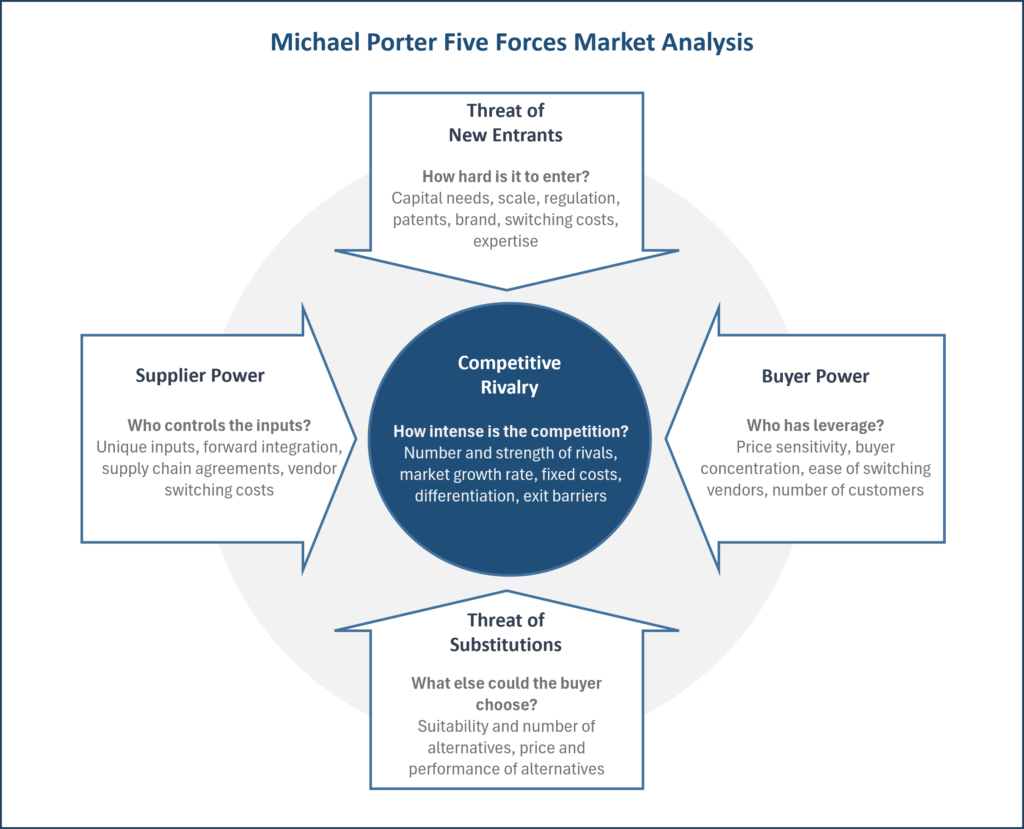
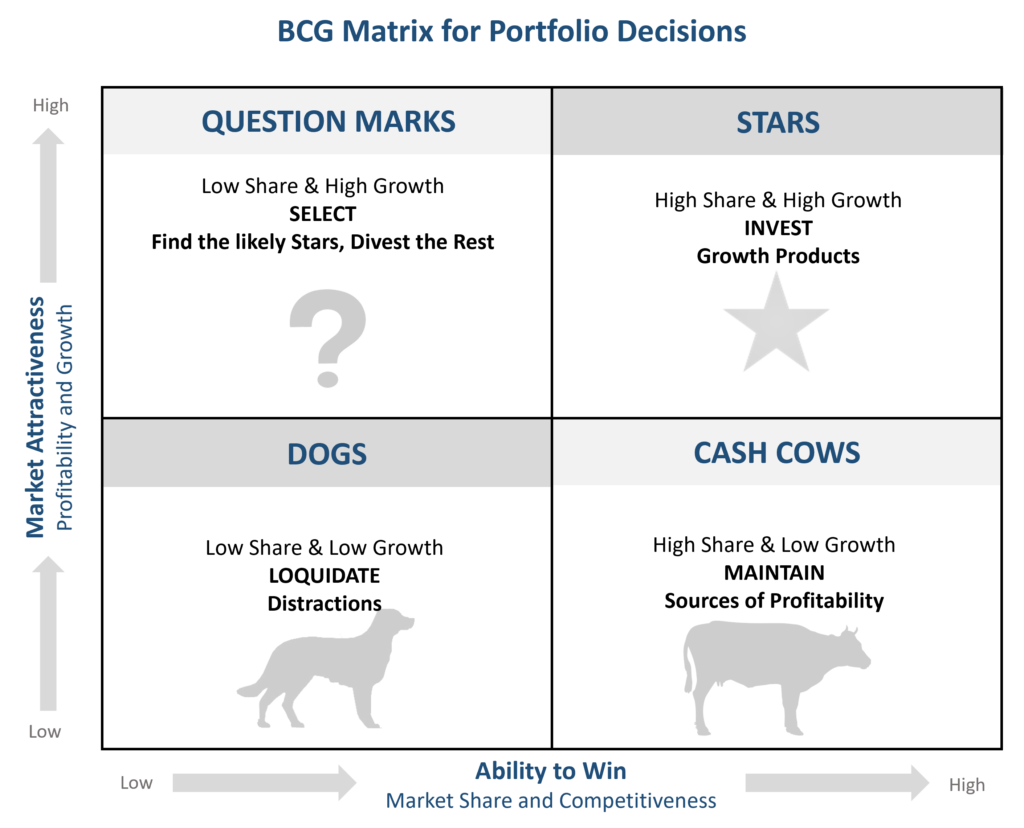
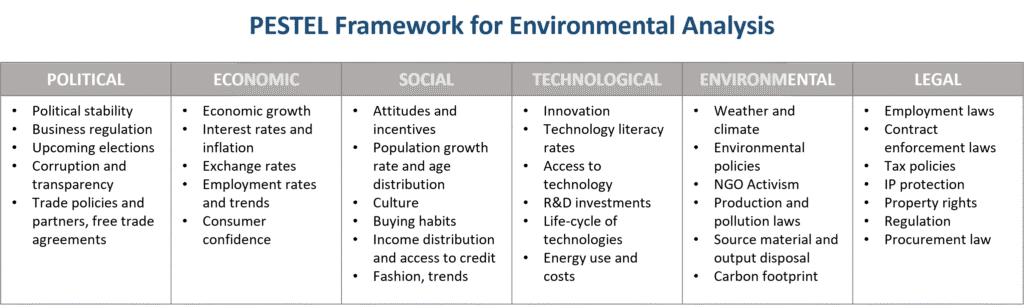
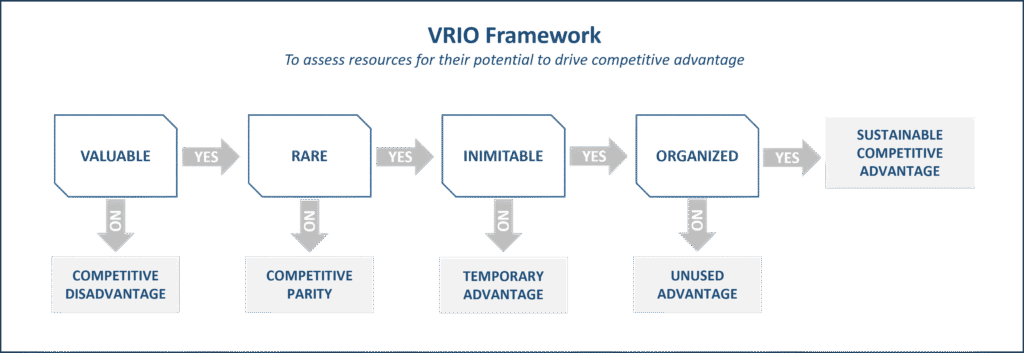
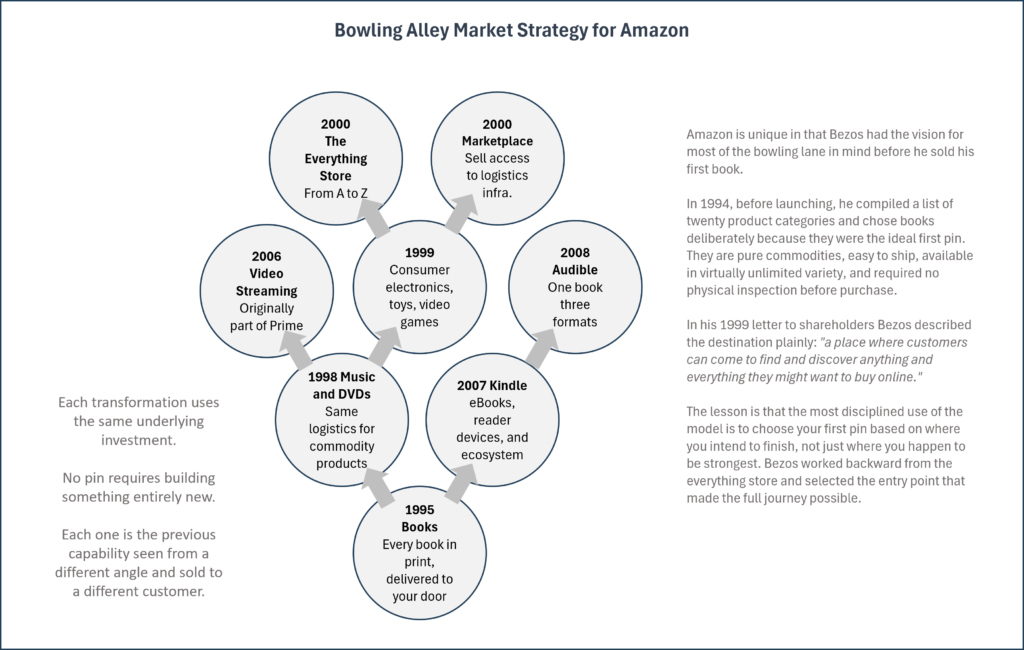
What frameworks does the book cover? The book references and builds on established models, including Porter’s Five Forces, Blue Ocean Strategy, Geoffrey Moore’s Crossing the Chasm and Bowling Alley strategy, the BCG matrix, VRIO, and PESTEL, among others. Rather than presenting them as academic theory, it shows how to apply each one as a working tool inside a real strategic planning process.
What companies are featured as case studies? The book examines Apple, IBM, Ford, T-Mobile, Intel, JCPenney, Sears, Yahoo, Southwest Airlines, BMW, Lexus, and others, alongside firsthand accounts from the author’s executive career at Rackspace and Bazaarvoice.
Why does the book include the author’s own company’s mistakes? Because strategic drift is one of the most common and least discussed reasons companies lose their edge.
Is “dominance” in the title about beating competitors unfairly? No. The book frames market dominance as the outcome of superior, sustained customer value, not aggressive tactics or anti-competitive behavior. Dominance here means winning a defined market by being genuinely better for the customers a company has chosen to serve.
Does this book apply outside of B2B technology, where the author spent his career? Yes. While many of the author’s direct examples come from B2B technology, the frameworks and case studies span industries, including airlines, automotive, retail, and consumer technology, because the underlying principles of strategy, differentiation, and positioning are not industry-specific.
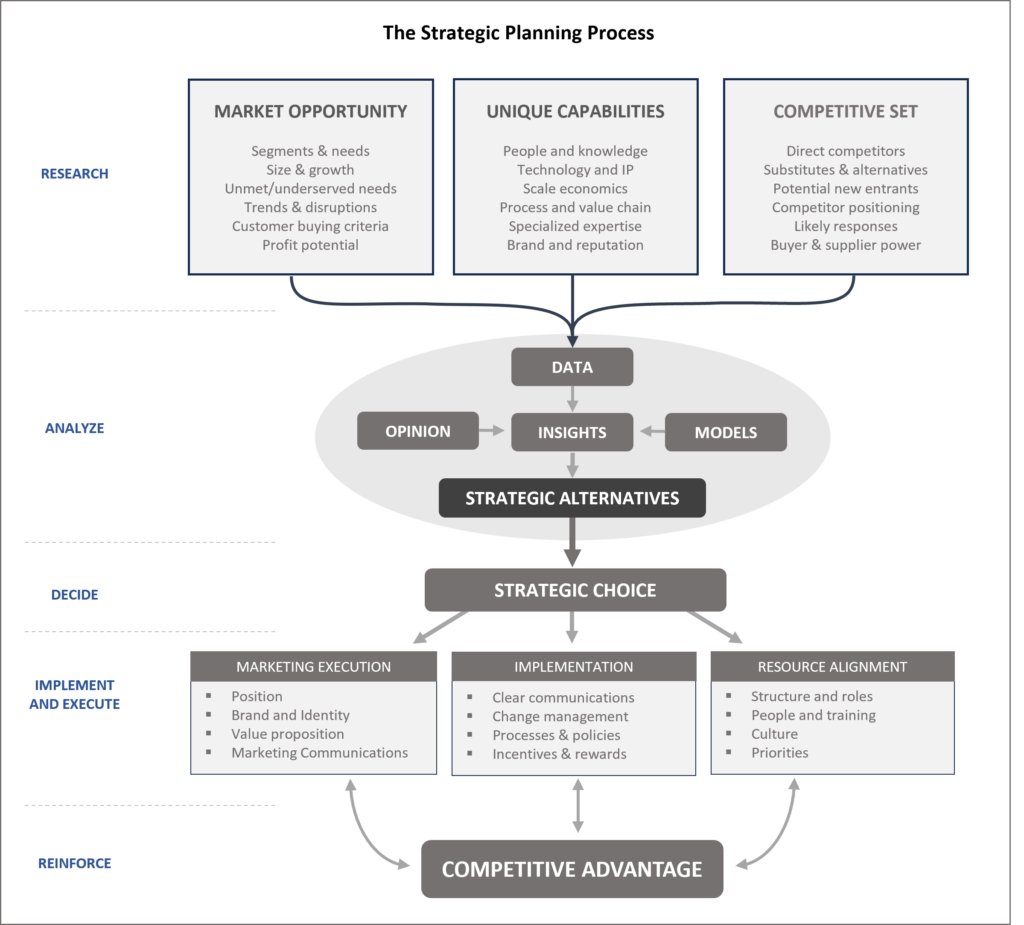
Is this a theoretical book or a practical one? Practical. The book includes frameworks, diagrams, and assessment tools meant to be used, not just read, alongside real-world examples and a step-by-step strategic planning process readers can apply to their own organizations.
Where can readers learn more or get in touch with the author? Readers can visit OutPositionBook.com for more information, and follow the author’s ongoing writing on strategy and marketing at theAdaptiveMarketer.com.
Book Author Bio – Gerardo A. Dada
The author began writing OutPosition nearly ten years ago, refining its frameworks against real strategic decisions at Rackspace, Bazaarvoice, and Catchpoint along the way. The result is a book shaped less by a writing schedule than by two additional companies’ worth of hard-won lessons
36 words / 262 characters
Gerardo A. Dada is a technology marketing executive, strategist, technologist. He has led growth and marketing strategy for industry leaders like Microsoft, Rackspace, and SolarWinds. He writes on multiple publications including his blog, The Adaptive Marketer.
61 Words / 451 characters
Gerardo A. Dada is a technology marketing executive, strategist, and author of OutPosition. Over a 25-year career, he has led growth and marketing strategy for industry leaders like Microsoft, Rackspace, SolarWinds, Bazaarvoice, and Catchpoint. Through his blog, The Adaptive Marketer, and his strategic advisory work, Gerardo helps growth-stage tech companies define winning positions, create market categories, and achieve scalable market dominance.
132 words / 1032 characters
Gerardo A. Dada is a veteran technology marketing executive, strategic advisor, and author of OutPosition. With over 25 years of experience scaling tech companies and establishing market leaders, Gerardo has spearheaded marketing, positioning, and go-to-market strategies for global technology brands and high-growth innovators, including Microsoft, Rackspace, SolarWinds, Bazaarvoice, and Catchpoint.
As the creator behind The Adaptive Marketer, Gerardo has dedicated his career to demystifying modern marketing strategy, market positioning, and category design. His framework in OutPosition translates decades of front-line executive experience into actionable strategies for business leaders, CMOs, and entrepreneurs looking to create defensible market positions, outmaneuver legacy competitors, and drive sustainable growth.
A frequent keynote speaker, strategic advisor, and writer on technology marketing, Gerardo works with executive teams, founders, and growth equity firms to align product, positioning, and market execution.
More about the author
About Me – The Adaptive Marketer
Author Profile Photos
Here are a few different profile photos of the author, Gerardo A. Dada





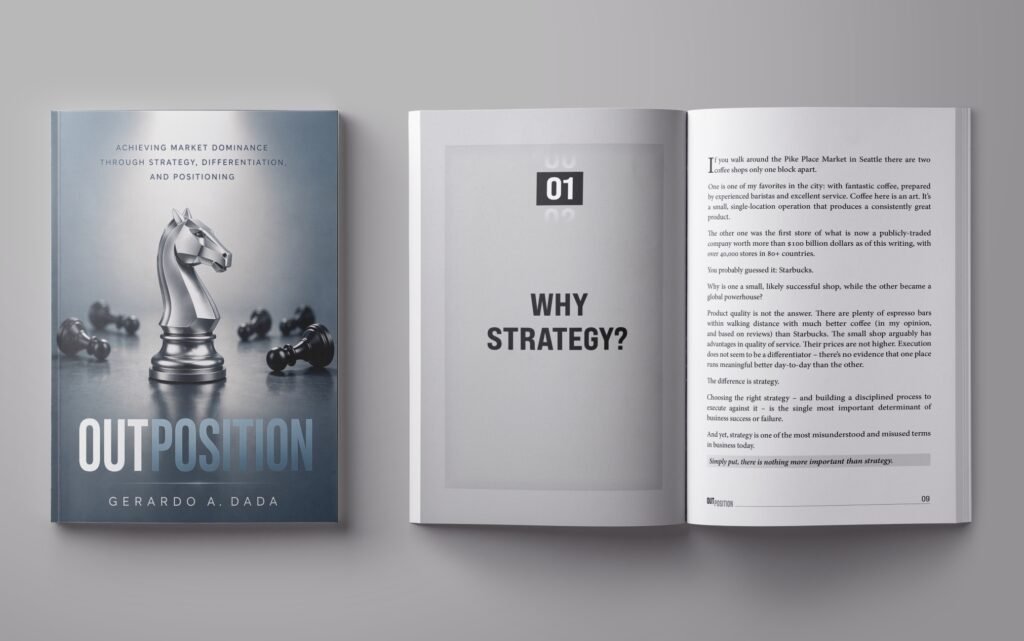
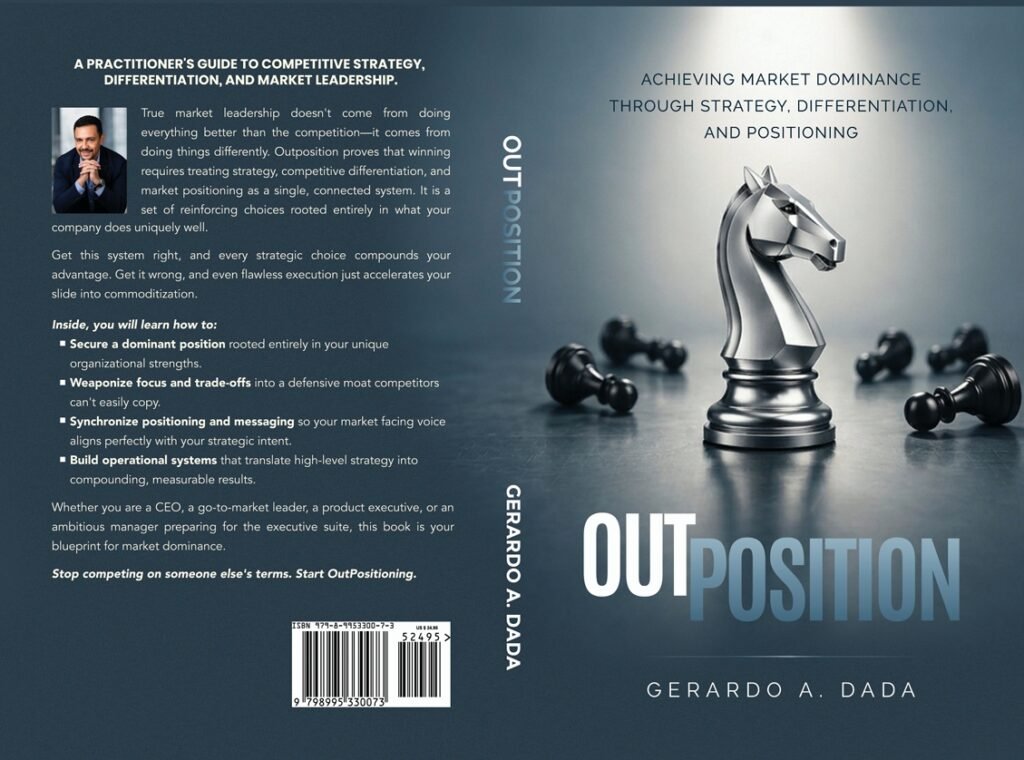
Book Cover Images







Book Diagrams
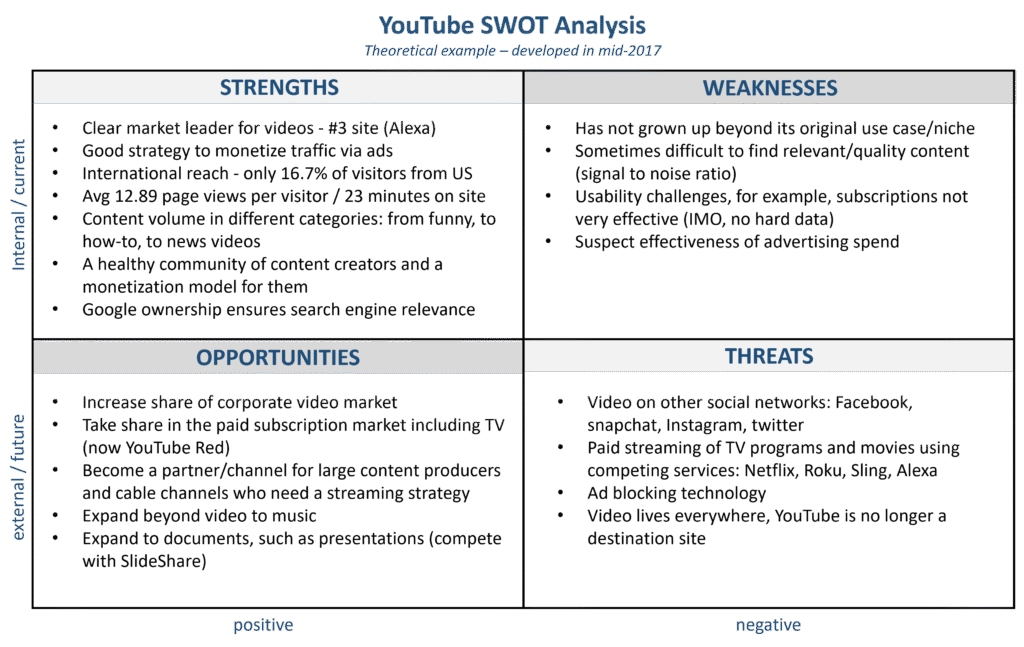
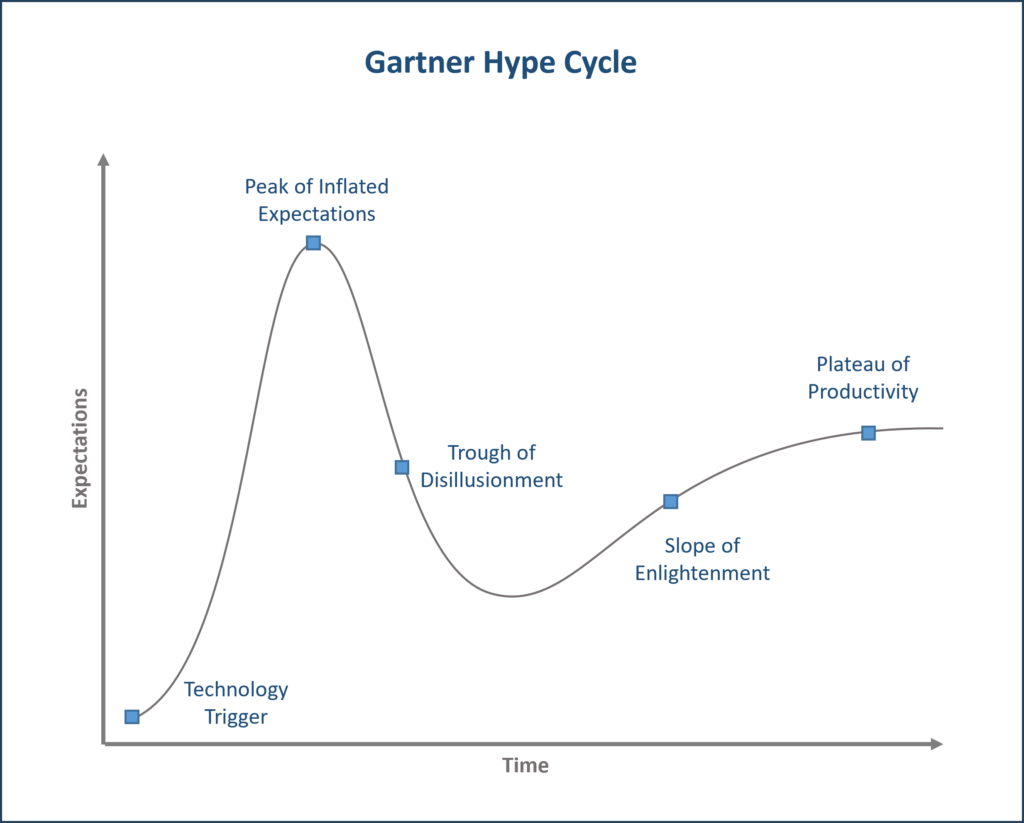
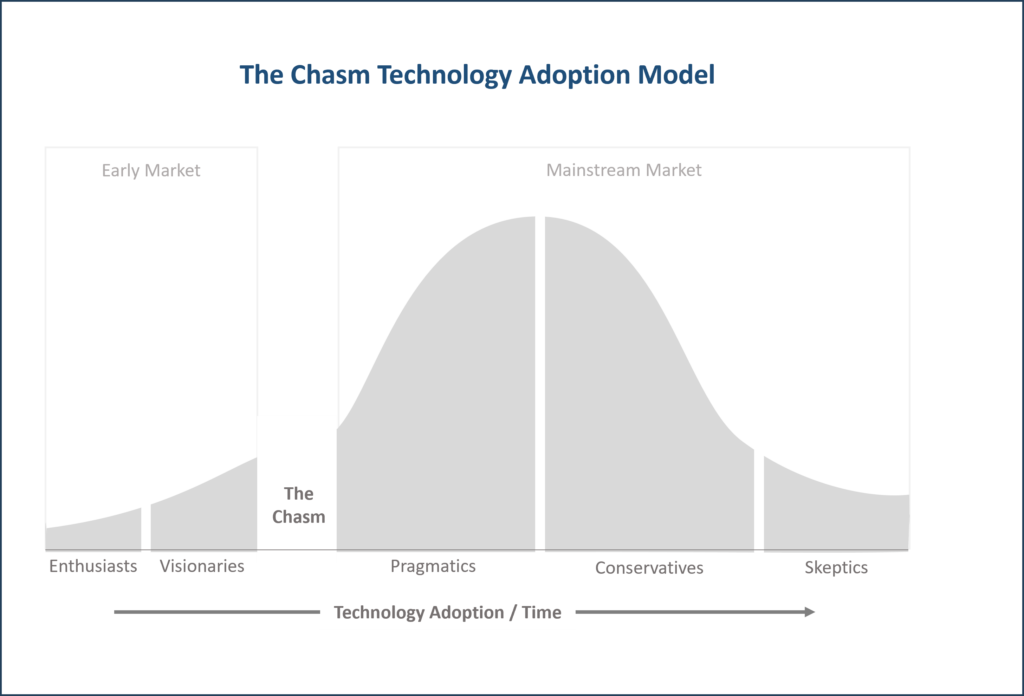
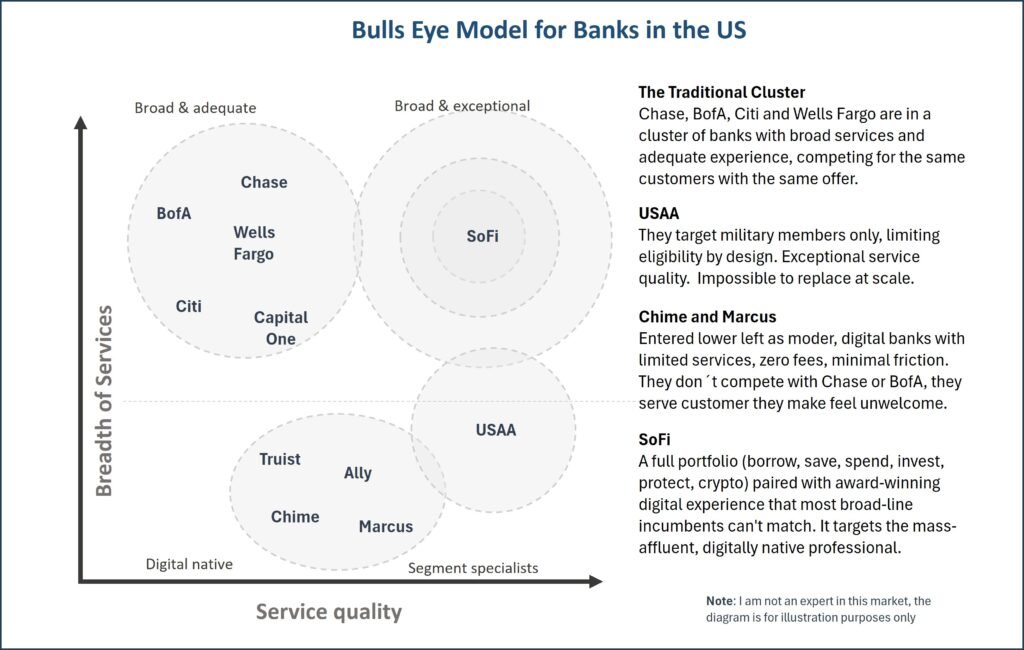
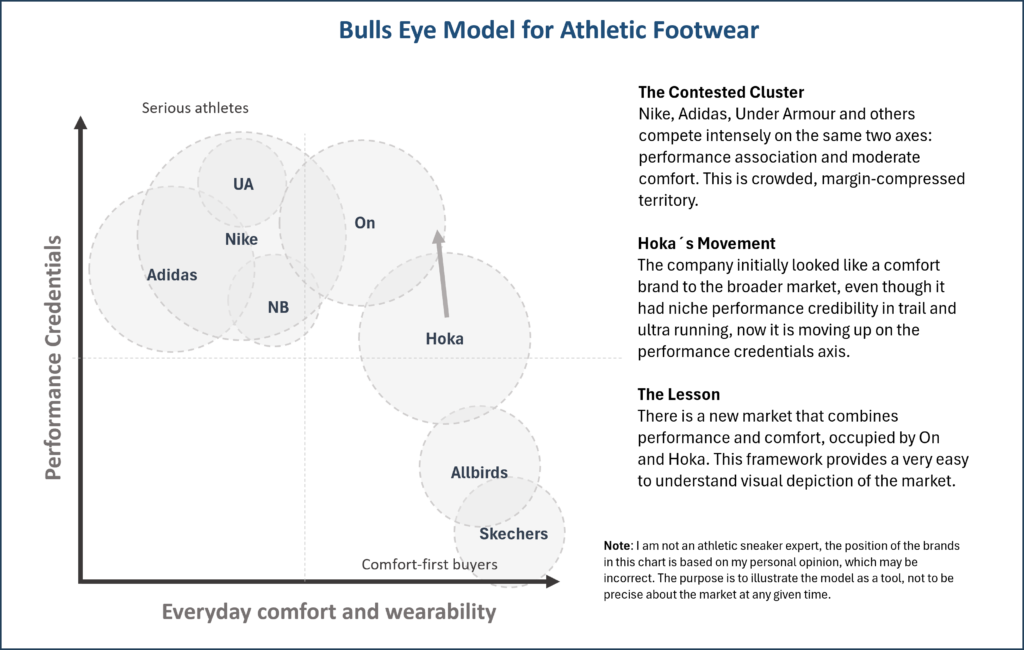
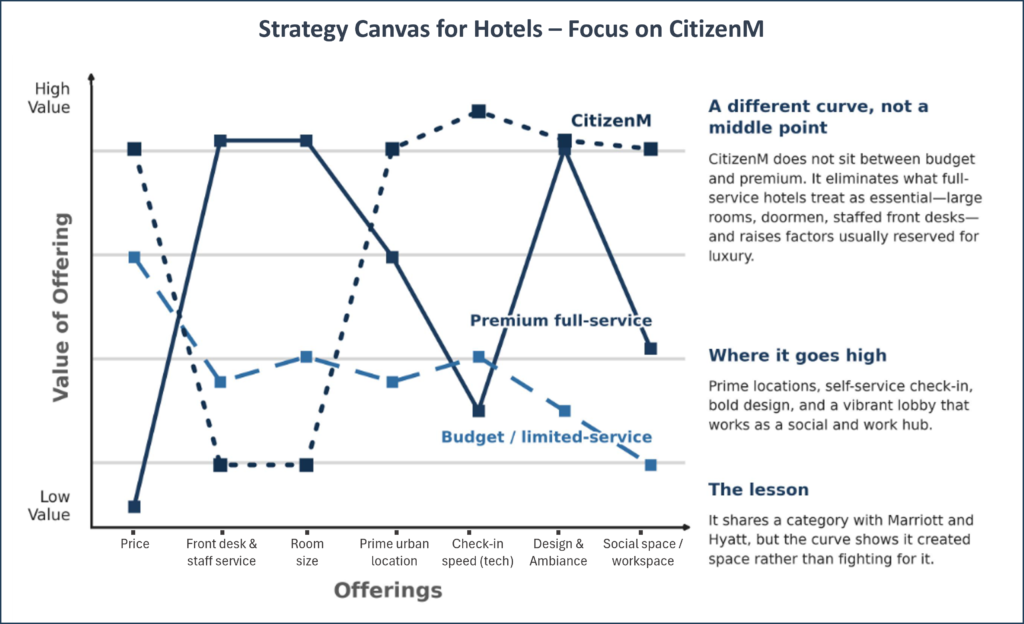
Here are some high-resolution diagrams representing strategy frameworks from the book
Book Quotes
Memorable quotes from inside the book
The gap between what a company believes about itself and what customers actually think is where most positioning efforts go to die.
A commodity is often a failure of imagination.
Giving up customers is not failure. It is commitment.
The lesson is simple: when you abandon your strategic advantage, you abandon your future.
Product leadership is a system, not a moment of brilliance.
Good strategy does not seek total superiority. It seeks decisive advantage at the point that matters most.
The clearest positions define not only what you stand for but what you stand against.
A team that leaves a kickoff with a list of five equal priorities has received no strategic guidance at all.
Execution is not the mechanical delivery of a plan. It is the ongoing discipline of keeping a complex, human organization pointed in the same direction long enough for the strategic choice to compound into real competitive advantage.
Plans are static. Execution is continuous, adaptive, and deeply human.
Strategic thinking is not a process or a methodology. It is a discipline of perception.
Differentiation is necessary, but it is not sufficient. Because differentiation can be copied.
Good strategy does not seek total superiority. It seeks decisive advantage at the point that matters most.